Blog

  • Wellness Through Nutrition

    Wellness Through Nutrition

    Although some blood vessels are relatively small, they form a huge network. If all the vessels belonging to a single person were laid out in a line, they would actually span 60,000 miles in length. That’s long enough to circle the circumference of the globe more than twice.

    Blood vessels belong to the cardiovascular system, functioning to transport blood to and from the heart and the rest of the body.

    The two most important vessels are the arteries and the veins. They are connected to a capillary network by arterioles and venules, respectively. The capillaries then allow the exchange of gases, hormones, nutrients and waste products.

    All arteries (except the pulmonary artery) carry fresh oxygenated blood away from the heart to tissues throughout the body, while all veins (except the pulmonary vein) carry deoxygenated blood from the tissues back to the heart.

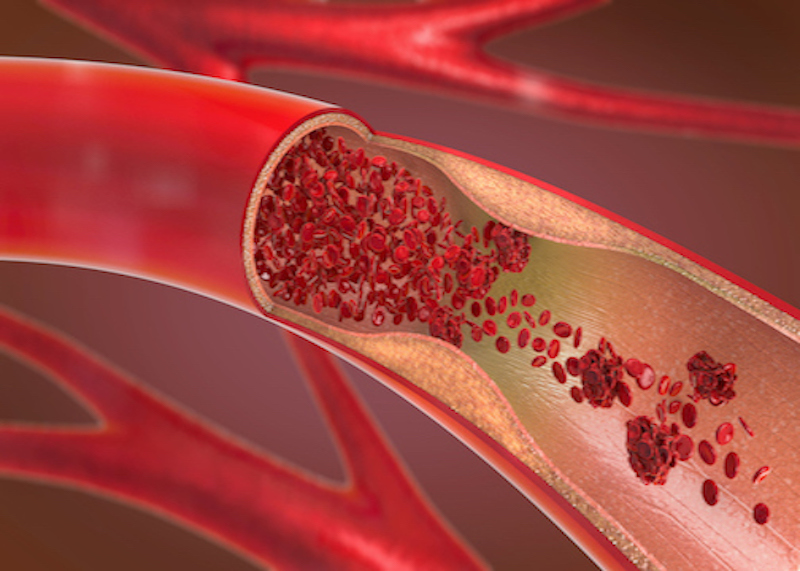
    Structurally, both are quite similar, and their walls are made up of 3 layers:

    1. Tunica intima (innermost layer). This functions as a protective barrier between the blood in the lumen and the vessel walls.
    2. Tunica media (middle layer). Mainly made up of smooth muscle, this layer can contract and relax, altering the diameter of the vessel lumen. Arteries generally have a thicker tunica media than veins and mainly rely on this muscle for their transport of blood.
    3. Tunica externa (outermost layer). This acts as an anchor and a protective layer, preventing any damage to the vessel wall.

    Veins have a thinner tunica media, and are less flexible than arteries. They rely on unidirectional valves to promote the flow of blood in the right direction and prevent venous return.

    Thanks to these vessels, the blood in your body is continuously flowing, distributing oxygen and removing CO2. Every day they carry almost 2,000 gallons of blood throughout the body.

    I think we can all agree that these vessels really are the perfect highway network for life ?
  • Wellness Through Nutrition

    Wellness Through Nutrition

    Although some blood vessels are relatively small, they form a huge network. If all the vessels belonging to a single person were laid out in a line, they would actually span 60,000 miles in length. That’s long enough to circle the circumference of the globe more than twice.

    Blood vessels belong to the cardiovascular system, functioning to transport blood to and from the heart and the rest of the body.

    The two most important vessels are the arteries and the veins. They are connected to a capillary network by arterioles and venules, respectively. The capillaries then allow the exchange of gases, hormones, nutrients and waste products.

    All arteries (except the pulmonary artery) carry fresh oxygenated blood away from the heart to tissues throughout the body, while all veins (except the pulmonary vein) carry deoxygenated blood from the tissues back to the heart.

    Structurally, both are quite similar, and their walls are made up of 3 layers:

    1. Tunica intima (innermost layer). This functions as a protective barrier between the blood in the lumen and the vessel walls.
    2. Tunica media (middle layer). Mainly made up of smooth muscle, this layer can contract and relax, altering the diameter of the vessel lumen. Arteries generally have a thicker tunica media than veins and mainly rely on this muscle for their transport of blood.
    3. Tunica externa (outermost layer). This acts as an anchor and a protective layer, preventing any damage to the vessel wall.

    Veins have a thinner tunica media, and are less flexible than arteries. They rely on unidirectional valves to promote the flow of blood in the right direction and prevent venous return.

    Thanks to these vessels, the blood in your body is continuously flowing, distributing oxygen and removing CO2. Every day they carry almost 2,000 gallons of blood throughout the body.

    I think we can all agree that these vessels really are the perfect highway network for life ?

  • Healthy Habits for Life

    Healthy Habits for Life

    Although some blood vessels are relatively small, they form a huge network. If all the vessels belonging to a single person were laid out in a line, they would actually span 60,000 miles in length. That’s long enough to circle the circumference of the globe more than twice.

    Blood vessels belong to the cardiovascular system, functioning to transport blood to and from the heart and the rest of the body.

    The two most important vessels are the arteries and the veins. They are connected to a capillary network by arterioles and venules, respectively. The capillaries then allow the exchange of gases, hormones, nutrients and waste products.

    All arteries (except the pulmonary artery) carry fresh oxygenated blood away from the heart to tissues throughout the body, while all veins (except the pulmonary vein) carry deoxygenated blood from the tissues back to the heart.

    Structurally, both are quite similar, and their walls are made up of 3 layers:

    1. Tunica intima (innermost layer). This functions as a protective barrier between the blood in the lumen and the vessel walls.
    2. Tunica media (middle layer). Mainly made up of smooth muscle, this layer can contract and relax, altering the diameter of the vessel lumen. Arteries generally have a thicker tunica media than veins and mainly rely on this muscle for their transport of blood.
    3. Tunica externa (outermost layer). This acts as an anchor and a protective layer, preventing any damage to the vessel wall.

    Veins have a thinner tunica media, and are less flexible than arteries. They rely on unidirectional valves to promote the flow of blood in the right direction and prevent venous return.

    Thanks to these vessels, the blood in your body is continuously flowing, distributing oxygen and removing CO2. Every day they carry almost 2,000 gallons of blood throughout the body.

    I think we can all agree that these vessels really are the perfect highway network for life ?

  • Move with Intention

    Living well with diabetes is about making informed choices that keep your blood sugar stable and support your overall health. This practical guide focuses on daily nutrition strategies that can help you feel your best while effectively managing your condition.

    Building Your Blood Sugar-Friendly Plate

    Creating balanced meals is the foundation of diabetes management. Follow this simple formula:

    The Plate Method Made Easy

    • 50% Non-starchy vegetables (leafy greens, broccoli, peppers, cauliflower)
    • 25% Lean protein (chicken, fish, eggs, tofu, legumes)
    • 25% Quality carbohydrates (sweet potatoes, brown rice, quinoa, whole-grain bread)
    • Add healthy fats (avocado, nuts, olive oil) to each meal

    Sample Daily Meal Plan

    • Breakfast: Greek yogurt with berries and walnuts
    • Lunch: Grilled chicken salad with mixed greens and vinaigrette
    • Dinner: Baked salmon with roasted vegetables and quinoa
    • Snacks: Apple with peanut butter; carrot sticks with hummus

    Understanding Key Food Groups

    Smart Carbohydrate Choices

    • Whole grains: Oats, brown rice, whole-wheat bread
    • Legumes: Lentils, chickpeas, black beans
    • Fruits: Berries, apples, citrus fruits (in moderation)
    • Vegetables: Focus on non-starchy varieties

    Why it matters: These high-fiber carbohydrates digest slowly, preventing rapid blood sugar spikes.

    Protein Power

    • Fish: Salmon, tuna, cod (2-3 times weekly)
    • Poultry: Skinless chicken, turkey
    • Plant-based: Tofu, tempeh, legumes
    • Dairy: Greek yogurt, cottage cheese

    Why it matters: Protein helps maintain muscle mass and promotes satiety.

    Healthy Fats

    • Avocados and olive oil
    • Nuts and seeds
    • Nut butters
    • Fatty fish

    Why it matters: Healthy fats slow digestion and help stabilize blood sugar levels.

    Foods to Enjoy Regularly

    Blood Sugar Superstars

    • Leafy greens: Spinach, kale, lettuce
    • Non-starchy vegetables: Broccoli, cauliflower, peppers
    • Berries: Blueberries, strawberries, raspberries
    • Nuts and seeds: Almonds, walnuts, chia seeds
    • Cinnamon: May help improve insulin sensitivity

    Foods to Limit

    Blood Sugar Spikers

    • Sugar-sweetened beverages
    • White bread and refined pasta
    • Packaged snacks and cookies
    • Fried foods
    • Foods with added sugars

    Practical Daily Strategies

    Meal Timing Matters

    • Eat at regular intervals
    • Don’t skip meals
    • Balance carbohydrates throughout the day
    • Include protein with each meal

    Smart Swaps

    • Choose whole fruit instead of fruit juice
    • Opt for sweet potatoes instead of white potatoes
    • Select whole grains over refined grains
    • Use herbs and spices instead of sugary sauces

    Hydration Tips

    • Drink water throughout the day
    • Choose unsweetened tea or coffee
    • Infuse water with citrus or berries
    • Limit sugary drinks and fruit juices

    Creating Your Diabetes Action Plan

    Daily Monitoring

    • Check blood sugar as recommended
    • Keep a food and symptom journal
    • Note how different foods affect you
    • Stay consistent with medication

    Weekly Planning

    • Plan meals in advance
    • Prep vegetables and snacks
    • Cook in batches
    • Keep healthy options readily available

    Shopping Smart

    • Shop the perimeter of the grocery store
    • Read nutrition labels carefully
    • Watch for hidden sugars
    • Choose fresh over processed

    Lifestyle Integration

    Physical Activity

    • Aim for 30 minutes daily
    • Include walking and strength training
    • Find activities you enjoy
    • Stay consistent

    Stress Management

    • Practice deep breathing
    • Get adequate sleep
    • Maintain social connections
    • Find healthy coping strategies

    Remember: Consistency is key in diabetes management. Small, sustainable changes to your eating habits can make a significant difference in your blood sugar control and overall well-being. Work with your healthcare team to develop a personalized plan that fits your lifestyle and preferences. Track your progress, celebrate your successes, and adjust your approach as needed. Living well with diabetes is absolutely achievable with the right knowledge and daily habits.

  • Mindful Movement Matters

    Living well with diabetes is about making informed choices that keep your blood sugar stable and support your overall health. This practical guide focuses on daily nutrition strategies that can help you feel your best while effectively managing your condition.

    Building Your Blood Sugar-Friendly Plate

    Creating balanced meals is the foundation of diabetes management. Follow this simple formula:

    The Plate Method Made Easy

    • 50% Non-starchy vegetables (leafy greens, broccoli, peppers, cauliflower)
    • 25% Lean protein (chicken, fish, eggs, tofu, legumes)
    • 25% Quality carbohydrates (sweet potatoes, brown rice, quinoa, whole-grain bread)
    • Add healthy fats (avocado, nuts, olive oil) to each meal

    Sample Daily Meal Plan

    • Breakfast: Greek yogurt with berries and walnuts
    • Lunch: Grilled chicken salad with mixed greens and vinaigrette
    • Dinner: Baked salmon with roasted vegetables and quinoa
    • Snacks: Apple with peanut butter; carrot sticks with hummus

    Understanding Key Food Groups

    Smart Carbohydrate Choices

    • Whole grains: Oats, brown rice, whole-wheat bread
    • Legumes: Lentils, chickpeas, black beans
    • Fruits: Berries, apples, citrus fruits (in moderation)
    • Vegetables: Focus on non-starchy varieties

    Why it matters: These high-fiber carbohydrates digest slowly, preventing rapid blood sugar spikes.

    Protein Power

    • Fish: Salmon, tuna, cod (2-3 times weekly)
    • Poultry: Skinless chicken, turkey
    • Plant-based: Tofu, tempeh, legumes
    • Dairy: Greek yogurt, cottage cheese

    Why it matters: Protein helps maintain muscle mass and promotes satiety.

    Healthy Fats

    • Avocados and olive oil
    • Nuts and seeds
    • Nut butters
    • Fatty fish

    Why it matters: Healthy fats slow digestion and help stabilize blood sugar levels.

    Foods to Enjoy Regularly

    Blood Sugar Superstars

    • Leafy greens: Spinach, kale, lettuce
    • Non-starchy vegetables: Broccoli, cauliflower, peppers
    • Berries: Blueberries, strawberries, raspberries
    • Nuts and seeds: Almonds, walnuts, chia seeds
    • Cinnamon: May help improve insulin sensitivity

    Foods to Limit

    Blood Sugar Spikers

    • Sugar-sweetened beverages
    • White bread and refined pasta
    • Packaged snacks and cookies
    • Fried foods
    • Foods with added sugars

    Practical Daily Strategies

    Meal Timing Matters

    • Eat at regular intervals
    • Don’t skip meals
    • Balance carbohydrates throughout the day
    • Include protein with each meal

    Smart Swaps

    • Choose whole fruit instead of fruit juice
    • Opt for sweet potatoes instead of white potatoes
    • Select whole grains over refined grains
    • Use herbs and spices instead of sugary sauces

    Hydration Tips

    • Drink water throughout the day
    • Choose unsweetened tea or coffee
    • Infuse water with citrus or berries
    • Limit sugary drinks and fruit juices

    Creating Your Diabetes Action Plan

    Daily Monitoring

    • Check blood sugar as recommended
    • Keep a food and symptom journal
    • Note how different foods affect you
    • Stay consistent with medication

    Weekly Planning

    • Plan meals in advance
    • Prep vegetables and snacks
    • Cook in batches
    • Keep healthy options readily available

    Shopping Smart

    • Shop the perimeter of the grocery store
    • Read nutrition labels carefully
    • Watch for hidden sugars
    • Choose fresh over processed

    Lifestyle Integration

    Physical Activity

    • Aim for 30 minutes daily
    • Include walking and strength training
    • Find activities you enjoy
    • Stay consistent

    Stress Management

    • Practice deep breathing
    • Get adequate sleep
    • Maintain social connections
    • Find healthy coping strategies

    Remember: Consistency is key in diabetes management. Small, sustainable changes to your eating habits can make a significant difference in your blood sugar control and overall well-being. Work with your healthcare team to develop a personalized plan that fits your lifestyle and preferences. Track your progress, celebrate your successes, and adjust your approach as needed. Living well with diabetes is absolutely achievable with the right knowledge and daily habits.

  • Healthy Habits for Life

    Living well with diabetes is about making informed choices that keep your blood sugar stable and support your overall health. This practical guide focuses on daily nutrition strategies that can help you feel your best while effectively managing your condition.

    Building Your Blood Sugar-Friendly Plate

    Creating balanced meals is the foundation of diabetes management. Follow this simple formula:

    The Plate Method Made Easy

    • 50% Non-starchy vegetables (leafy greens, broccoli, peppers, cauliflower)
    • 25% Lean protein (chicken, fish, eggs, tofu, legumes)
    • 25% Quality carbohydrates (sweet potatoes, brown rice, quinoa, whole-grain bread)
    • Add healthy fats (avocado, nuts, olive oil) to each meal

    Sample Daily Meal Plan

    • Breakfast: Greek yogurt with berries and walnuts
    • Lunch: Grilled chicken salad with mixed greens and vinaigrette
    • Dinner: Baked salmon with roasted vegetables and quinoa
    • Snacks: Apple with peanut butter; carrot sticks with hummus

    Understanding Key Food Groups

    Smart Carbohydrate Choices

    • Whole grains: Oats, brown rice, whole-wheat bread
    • Legumes: Lentils, chickpeas, black beans
    • Fruits: Berries, apples, citrus fruits (in moderation)
    • Vegetables: Focus on non-starchy varieties

    Why it matters: These high-fiber carbohydrates digest slowly, preventing rapid blood sugar spikes.

    Protein Power

    • Fish: Salmon, tuna, cod (2-3 times weekly)
    • Poultry: Skinless chicken, turkey
    • Plant-based: Tofu, tempeh, legumes
    • Dairy: Greek yogurt, cottage cheese

    Why it matters: Protein helps maintain muscle mass and promotes satiety.

    Healthy Fats

    • Avocados and olive oil
    • Nuts and seeds
    • Nut butters
    • Fatty fish

    Why it matters: Healthy fats slow digestion and help stabilize blood sugar levels.

    Foods to Enjoy Regularly

    Blood Sugar Superstars

    • Leafy greens: Spinach, kale, lettuce
    • Non-starchy vegetables: Broccoli, cauliflower, peppers
    • Berries: Blueberries, strawberries, raspberries
    • Nuts and seeds: Almonds, walnuts, chia seeds
    • Cinnamon: May help improve insulin sensitivity

    Foods to Limit

    Blood Sugar Spikers

    • Sugar-sweetened beverages
    • White bread and refined pasta
    • Packaged snacks and cookies
    • Fried foods
    • Foods with added sugars

    Practical Daily Strategies

    Meal Timing Matters

    • Eat at regular intervals
    • Don’t skip meals
    • Balance carbohydrates throughout the day
    • Include protein with each meal

    Smart Swaps

    • Choose whole fruit instead of fruit juice
    • Opt for sweet potatoes instead of white potatoes
    • Select whole grains over refined grains
    • Use herbs and spices instead of sugary sauces

    Hydration Tips

    • Drink water throughout the day
    • Choose unsweetened tea or coffee
    • Infuse water with citrus or berries
    • Limit sugary drinks and fruit juices

    Creating Your Diabetes Action Plan

    Daily Monitoring

    • Check blood sugar as recommended
    • Keep a food and symptom journal
    • Note how different foods affect you
    • Stay consistent with medication

    Weekly Planning

    • Plan meals in advance
    • Prep vegetables and snacks
    • Cook in batches
    • Keep healthy options readily available

    Shopping Smart

    • Shop the perimeter of the grocery store
    • Read nutrition labels carefully
    • Watch for hidden sugars
    • Choose fresh over processed

    Lifestyle Integration

    Physical Activity

    • Aim for 30 minutes daily
    • Include walking and strength training
    • Find activities you enjoy
    • Stay consistent

    Stress Management

    • Practice deep breathing
    • Get adequate sleep
    • Maintain social connections
    • Find healthy coping strategies

    Remember: Consistency is key in diabetes management. Small, sustainable changes to your eating habits can make a significant difference in your blood sugar control and overall well-being. Work with your healthcare team to develop a personalized plan that fits your lifestyle and preferences. Track your progress, celebrate your successes, and adjust your approach as needed. Living well with diabetes is absolutely achievable with the right knowledge and daily habits.

  • Healthy Habits for Life

    Living well with diabetes is about making informed choices that keep your blood sugar stable and support your overall health. This practical guide focuses on daily nutrition strategies that can help you feel your best while effectively managing your condition.

    Building Your Blood Sugar-Friendly Plate

    Creating balanced meals is the foundation of diabetes management. Follow this simple formula:

    The Plate Method Made Easy

    • 50% Non-starchy vegetables (leafy greens, broccoli, peppers, cauliflower)
    • 25% Lean protein (chicken, fish, eggs, tofu, legumes)
    • 25% Quality carbohydrates (sweet potatoes, brown rice, quinoa, whole-grain bread)
    • Add healthy fats (avocado, nuts, olive oil) to each meal

    Sample Daily Meal Plan

    • Breakfast: Greek yogurt with berries and walnuts
    • Lunch: Grilled chicken salad with mixed greens and vinaigrette
    • Dinner: Baked salmon with roasted vegetables and quinoa
    • Snacks: Apple with peanut butter; carrot sticks with hummus

    Understanding Key Food Groups

    Smart Carbohydrate Choices

    • Whole grains: Oats, brown rice, whole-wheat bread
    • Legumes: Lentils, chickpeas, black beans
    • Fruits: Berries, apples, citrus fruits (in moderation)
    • Vegetables: Focus on non-starchy varieties

    Why it matters: These high-fiber carbohydrates digest slowly, preventing rapid blood sugar spikes.

    Protein Power

    • Fish: Salmon, tuna, cod (2-3 times weekly)
    • Poultry: Skinless chicken, turkey
    • Plant-based: Tofu, tempeh, legumes
    • Dairy: Greek yogurt, cottage cheese

    Why it matters: Protein helps maintain muscle mass and promotes satiety.

    Healthy Fats

    • Avocados and olive oil
    • Nuts and seeds
    • Nut butters
    • Fatty fish

    Why it matters: Healthy fats slow digestion and help stabilize blood sugar levels.

    Foods to Enjoy Regularly

    Blood Sugar Superstars

    • Leafy greens: Spinach, kale, lettuce
    • Non-starchy vegetables: Broccoli, cauliflower, peppers
    • Berries: Blueberries, strawberries, raspberries
    • Nuts and seeds: Almonds, walnuts, chia seeds
    • Cinnamon: May help improve insulin sensitivity

    Foods to Limit

    Blood Sugar Spikers

    • Sugar-sweetened beverages
    • White bread and refined pasta
    • Packaged snacks and cookies
    • Fried foods
    • Foods with added sugars

    Practical Daily Strategies

    Meal Timing Matters

    • Eat at regular intervals
    • Don’t skip meals
    • Balance carbohydrates throughout the day
    • Include protein with each meal

    Smart Swaps

    • Choose whole fruit instead of fruit juice
    • Opt for sweet potatoes instead of white potatoes
    • Select whole grains over refined grains
    • Use herbs and spices instead of sugary sauces

    Hydration Tips

    • Drink water throughout the day
    • Choose unsweetened tea or coffee
    • Infuse water with citrus or berries
    • Limit sugary drinks and fruit juices

    Creating Your Diabetes Action Plan

    Daily Monitoring

    • Check blood sugar as recommended
    • Keep a food and symptom journal
    • Note how different foods affect you
    • Stay consistent with medication

    Weekly Planning

    • Plan meals in advance
    • Prep vegetables and snacks
    • Cook in batches
    • Keep healthy options readily available

    Shopping Smart

    • Shop the perimeter of the grocery store
    • Read nutrition labels carefully
    • Watch for hidden sugars
    • Choose fresh over processed

    Lifestyle Integration

    Physical Activity

    • Aim for 30 minutes daily
    • Include walking and strength training
    • Find activities you enjoy
    • Stay consistent

    Stress Management

    • Practice deep breathing
    • Get adequate sleep
    • Maintain social connections
    • Find healthy coping strategies

    Remember: Consistency is key in diabetes management. Small, sustainable changes to your eating habits can make a significant difference in your blood sugar control and overall well-being. Work with your healthcare team to develop a personalized plan that fits your lifestyle and preferences. Track your progress, celebrate your successes, and adjust your approach as needed. Living well with diabetes is absolutely achievable with the right knowledge and daily habits.

  • Smart Choices, Better Health

    Living well with diabetes is about making informed choices that keep your blood sugar stable and support your overall health. This practical guide focuses on daily nutrition strategies that can help you feel your best while effectively managing your condition.

    Building Your Blood Sugar-Friendly Plate

    Creating balanced meals is the foundation of diabetes management. Follow this simple formula:

    The Plate Method Made Easy

    • 50% Non-starchy vegetables (leafy greens, broccoli, peppers, cauliflower)
    • 25% Lean protein (chicken, fish, eggs, tofu, legumes)
    • 25% Quality carbohydrates (sweet potatoes, brown rice, quinoa, whole-grain bread)
    • Add healthy fats (avocado, nuts, olive oil) to each meal

    Sample Daily Meal Plan

    • Breakfast: Greek yogurt with berries and walnuts
    • Lunch: Grilled chicken salad with mixed greens and vinaigrette
    • Dinner: Baked salmon with roasted vegetables and quinoa
    • Snacks: Apple with peanut butter; carrot sticks with hummus

    Understanding Key Food Groups

    Smart Carbohydrate Choices

    • Whole grains: Oats, brown rice, whole-wheat bread
    • Legumes: Lentils, chickpeas, black beans
    • Fruits: Berries, apples, citrus fruits (in moderation)
    • Vegetables: Focus on non-starchy varieties

    Why it matters: These high-fiber carbohydrates digest slowly, preventing rapid blood sugar spikes.

    Protein Power

    • Fish: Salmon, tuna, cod (2-3 times weekly)
    • Poultry: Skinless chicken, turkey
    • Plant-based: Tofu, tempeh, legumes
    • Dairy: Greek yogurt, cottage cheese

    Why it matters: Protein helps maintain muscle mass and promotes satiety.

    Healthy Fats

    • Avocados and olive oil
    • Nuts and seeds
    • Nut butters
    • Fatty fish

    Why it matters: Healthy fats slow digestion and help stabilize blood sugar levels.

    Foods to Enjoy Regularly

    Blood Sugar Superstars

    • Leafy greens: Spinach, kale, lettuce
    • Non-starchy vegetables: Broccoli, cauliflower, peppers
    • Berries: Blueberries, strawberries, raspberries
    • Nuts and seeds: Almonds, walnuts, chia seeds
    • Cinnamon: May help improve insulin sensitivity

    Foods to Limit

    Blood Sugar Spikers

    • Sugar-sweetened beverages
    • White bread and refined pasta
    • Packaged snacks and cookies
    • Fried foods
    • Foods with added sugars

    Practical Daily Strategies

    Meal Timing Matters

    • Eat at regular intervals
    • Don’t skip meals
    • Balance carbohydrates throughout the day
    • Include protein with each meal

    Smart Swaps

    • Choose whole fruit instead of fruit juice
    • Opt for sweet potatoes instead of white potatoes
    • Select whole grains over refined grains
    • Use herbs and spices instead of sugary sauces

    Hydration Tips

    • Drink water throughout the day
    • Choose unsweetened tea or coffee
    • Infuse water with citrus or berries
    • Limit sugary drinks and fruit juices

    Creating Your Diabetes Action Plan

    Daily Monitoring

    • Check blood sugar as recommended
    • Keep a food and symptom journal
    • Note how different foods affect you
    • Stay consistent with medication

    Weekly Planning

    • Plan meals in advance
    • Prep vegetables and snacks
    • Cook in batches
    • Keep healthy options readily available

    Shopping Smart

    • Shop the perimeter of the grocery store
    • Read nutrition labels carefully
    • Watch for hidden sugars
    • Choose fresh over processed

    Lifestyle Integration

    Physical Activity

    • Aim for 30 minutes daily
    • Include walking and strength training
    • Find activities you enjoy
    • Stay consistent

    Stress Management

    • Practice deep breathing
    • Get adequate sleep
    • Maintain social connections
    • Find healthy coping strategies

    Remember: Consistency is key in diabetes management. Small, sustainable changes to your eating habits can make a significant difference in your blood sugar control and overall well-being. Work with your healthcare team to develop a personalized plan that fits your lifestyle and preferences. Track your progress, celebrate your successes, and adjust your approach as needed. Living well with diabetes is absolutely achievable with the right knowledge and daily habits.

  • Strong Bones, Active Life

    Living well with diabetes is about making informed choices that keep your blood sugar stable and support your overall health. This practical guide focuses on daily nutrition strategies that can help you feel your best while effectively managing your condition.

    Building Your Blood Sugar-Friendly Plate

    Creating balanced meals is the foundation of diabetes management. Follow this simple formula:

    The Plate Method Made Easy

    • 50% Non-starchy vegetables (leafy greens, broccoli, peppers, cauliflower)
    • 25% Lean protein (chicken, fish, eggs, tofu, legumes)
    • 25% Quality carbohydrates (sweet potatoes, brown rice, quinoa, whole-grain bread)
    • Add healthy fats (avocado, nuts, olive oil) to each meal

    Sample Daily Meal Plan

    • Breakfast: Greek yogurt with berries and walnuts
    • Lunch: Grilled chicken salad with mixed greens and vinaigrette
    • Dinner: Baked salmon with roasted vegetables and quinoa
    • Snacks: Apple with peanut butter; carrot sticks with hummus

    Understanding Key Food Groups

    Smart Carbohydrate Choices

    • Whole grains: Oats, brown rice, whole-wheat bread
    • Legumes: Lentils, chickpeas, black beans
    • Fruits: Berries, apples, citrus fruits (in moderation)
    • Vegetables: Focus on non-starchy varieties

    Why it matters: These high-fiber carbohydrates digest slowly, preventing rapid blood sugar spikes.

    Protein Power

    • Fish: Salmon, tuna, cod (2-3 times weekly)
    • Poultry: Skinless chicken, turkey
    • Plant-based: Tofu, tempeh, legumes
    • Dairy: Greek yogurt, cottage cheese

    Why it matters: Protein helps maintain muscle mass and promotes satiety.

    Healthy Fats

    • Avocados and olive oil
    • Nuts and seeds
    • Nut butters
    • Fatty fish

    Why it matters: Healthy fats slow digestion and help stabilize blood sugar levels.

    Foods to Enjoy Regularly

    Blood Sugar Superstars

    • Leafy greens: Spinach, kale, lettuce
    • Non-starchy vegetables: Broccoli, cauliflower, peppers
    • Berries: Blueberries, strawberries, raspberries
    • Nuts and seeds: Almonds, walnuts, chia seeds
    • Cinnamon: May help improve insulin sensitivity

    Foods to Limit

    Blood Sugar Spikers

    • Sugar-sweetened beverages
    • White bread and refined pasta
    • Packaged snacks and cookies
    • Fried foods
    • Foods with added sugars

    Practical Daily Strategies

    Meal Timing Matters

    • Eat at regular intervals
    • Don’t skip meals
    • Balance carbohydrates throughout the day
    • Include protein with each meal

    Smart Swaps

    • Choose whole fruit instead of fruit juice
    • Opt for sweet potatoes instead of white potatoes
    • Select whole grains over refined grains
    • Use herbs and spices instead of sugary sauces

    Hydration Tips

    • Drink water throughout the day
    • Choose unsweetened tea or coffee
    • Infuse water with citrus or berries
    • Limit sugary drinks and fruit juices

    Creating Your Diabetes Action Plan

    Daily Monitoring

    • Check blood sugar as recommended
    • Keep a food and symptom journal
    • Note how different foods affect you
    • Stay consistent with medication

    Weekly Planning

    • Plan meals in advance
    • Prep vegetables and snacks
    • Cook in batches
    • Keep healthy options readily available

    Shopping Smart

    • Shop the perimeter of the grocery store
    • Read nutrition labels carefully
    • Watch for hidden sugars
    • Choose fresh over processed

    Lifestyle Integration

    Physical Activity

    • Aim for 30 minutes daily
    • Include walking and strength training
    • Find activities you enjoy
    • Stay consistent

    Stress Management

    • Practice deep breathing
    • Get adequate sleep
    • Maintain social connections
    • Find healthy coping strategies

    Remember: Consistency is key in diabetes management. Small, sustainable changes to your eating habits can make a significant difference in your blood sugar control and overall well-being. Work with your healthcare team to develop a personalized plan that fits your lifestyle and preferences. Track your progress, celebrate your successes, and adjust your approach as needed. Living well with diabetes is absolutely achievable with the right knowledge and daily habits.

  • Wellness at Any Age

    Living well with diabetes is about making informed choices that keep your blood sugar stable and support your overall health. This practical guide focuses on daily nutrition strategies that can help you feel your best while effectively managing your condition.

    Building Your Blood Sugar-Friendly Plate

    Creating balanced meals is the foundation of diabetes management. Follow this simple formula:

    The Plate Method Made Easy

    • 50% Non-starchy vegetables (leafy greens, broccoli, peppers, cauliflower)
    • 25% Lean protein (chicken, fish, eggs, tofu, legumes)
    • 25% Quality carbohydrates (sweet potatoes, brown rice, quinoa, whole-grain bread)
    • Add healthy fats (avocado, nuts, olive oil) to each meal

    Sample Daily Meal Plan

    • Breakfast: Greek yogurt with berries and walnuts
    • Lunch: Grilled chicken salad with mixed greens and vinaigrette
    • Dinner: Baked salmon with roasted vegetables and quinoa
    • Snacks: Apple with peanut butter; carrot sticks with hummus

    Understanding Key Food Groups

    Smart Carbohydrate Choices

    • Whole grains: Oats, brown rice, whole-wheat bread
    • Legumes: Lentils, chickpeas, black beans
    • Fruits: Berries, apples, citrus fruits (in moderation)
    • Vegetables: Focus on non-starchy varieties

    Why it matters: These high-fiber carbohydrates digest slowly, preventing rapid blood sugar spikes.

    Protein Power

    • Fish: Salmon, tuna, cod (2-3 times weekly)
    • Poultry: Skinless chicken, turkey
    • Plant-based: Tofu, tempeh, legumes
    • Dairy: Greek yogurt, cottage cheese

    Why it matters: Protein helps maintain muscle mass and promotes satiety.

    Healthy Fats

    • Avocados and olive oil
    • Nuts and seeds
    • Nut butters
    • Fatty fish

    Why it matters: Healthy fats slow digestion and help stabilize blood sugar levels.

    Foods to Enjoy Regularly

    Blood Sugar Superstars

    • Leafy greens: Spinach, kale, lettuce
    • Non-starchy vegetables: Broccoli, cauliflower, peppers
    • Berries: Blueberries, strawberries, raspberries
    • Nuts and seeds: Almonds, walnuts, chia seeds
    • Cinnamon: May help improve insulin sensitivity

    Foods to Limit

    Blood Sugar Spikers

    • Sugar-sweetened beverages
    • White bread and refined pasta
    • Packaged snacks and cookies
    • Fried foods
    • Foods with added sugars

    Practical Daily Strategies

    Meal Timing Matters

    • Eat at regular intervals
    • Don’t skip meals
    • Balance carbohydrates throughout the day
    • Include protein with each meal

    Smart Swaps

    • Choose whole fruit instead of fruit juice
    • Opt for sweet potatoes instead of white potatoes
    • Select whole grains over refined grains
    • Use herbs and spices instead of sugary sauces

    Hydration Tips

    • Drink water throughout the day
    • Choose unsweetened tea or coffee
    • Infuse water with citrus or berries
    • Limit sugary drinks and fruit juices

    Creating Your Diabetes Action Plan

    Daily Monitoring

    • Check blood sugar as recommended
    • Keep a food and symptom journal
    • Note how different foods affect you
    • Stay consistent with medication

    Weekly Planning

    • Plan meals in advance
    • Prep vegetables and snacks
    • Cook in batches
    • Keep healthy options readily available

    Shopping Smart

    • Shop the perimeter of the grocery store
    • Read nutrition labels carefully
    • Watch for hidden sugars
    • Choose fresh over processed

    Lifestyle Integration

    Physical Activity

    • Aim for 30 minutes daily
    • Include walking and strength training
    • Find activities you enjoy
    • Stay consistent

    Stress Management

    • Practice deep breathing
    • Get adequate sleep
    • Maintain social connections
    • Find healthy coping strategies

    Remember: Consistency is key in diabetes management. Small, sustainable changes to your eating habits can make a significant difference in your blood sugar control and overall well-being. Work with your healthcare team to develop a personalized plan that fits your lifestyle and preferences. Track your progress, celebrate your successes, and adjust your approach as needed. Living well with diabetes is absolutely achievable with the right knowledge and daily habits.